Gothams Clown Prince of Crime; sådan har vi altid kendt Batmans største ærkefjende, Joker. Men dette ændrede sig for nylig, da tegneserien Joker: The World udkom og indeholdt en historie, der sendte den berømte psykopat til forskellige byer og lande verden over.
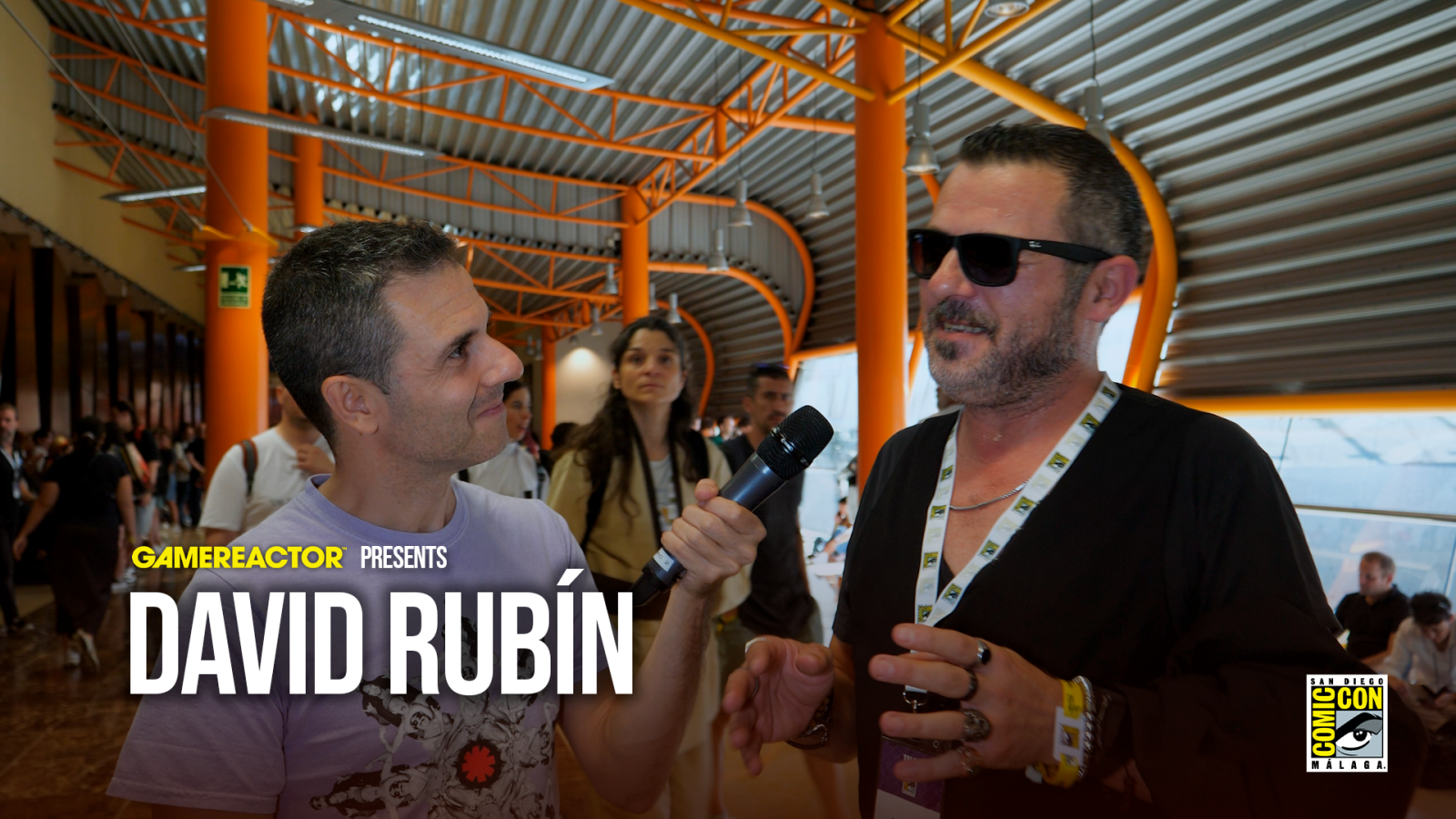
Som en del af vores nylige optræden på San Diego Comic Con Malaga havde vi luksusen at tale med medforfatter David Rubin. Og når nu vi var i Spanien til denne konvention, måtte vi selvfølgelig spørge, hvorfor Rubin ønskede at sikre, at den spanske hovedstad Madrid blev en del af historien.
"When DC commissioned me to do the story of Joker: The World, they gave me the choice of where I wanted to set it. Spain is where I wanted. I thought about it several times and in the end I chose Madrid. One, because I've been living in that city for a few years now and I'm getting along with it. And two, because just at that moment... well, the truth is that it always happens in Madrid. It's like the Gotham City of Spain, you know? Full of corruption and crazy shit."
Rubin talte derefter om nogle aktuelle begivenheder, der har rystet byen, herunder valg og nydannede regeringer samt den korruption, der oversvømmer gaderne. Vi spurgte derefter, om disse situationer inspirerede Joker: The World, hvortil Rubin fortalte os følgende, blandt andet hvordan han modtog dødstrusler for sin kommentar til verdensbegivenheder i historien.
"I said, well, this looks to me like it can be turned around and talk a little bit about the big problem we have now, not only in Madrid, not only in Spain, but globally what is happening. You can see what is happening in the United States, in Argentina, in a lot of countries, in half of Europe, which is the rise of the far right. The Nazis are gaining more and more power, they are even taking over expression.
"The other day, when Jimmy Kimmel was fired, on the one hand they say, no, no... because he talks about something I'm not interested in. It can't be like that. It's freedom for everyone. It's like an excuse that is used a lot by fascists and people of that ilk, which is, respect my freedom of speech. But my friend, freedom of speech is a two-way street, you know? For the side you don't like, it also has to be exercised. I thought it was something important and necessary to use a spotlight, with a character like the Joker, in a comic book that was going to be published in so many countries, to talk about these problems that are not only in Spain, as I was saying. I think it worked out well for me because they got pretty pissed off, the far-right people, they sent me death threats, and here I am, you know?"
Du kan se det fulde og lokalt undertekstede interview med Rubin nedenfor, hvor vi også taler om Eisner-priserne og hvordan han var involveret i skabelsen af plakaten til San Diego Comic Con Malaga.