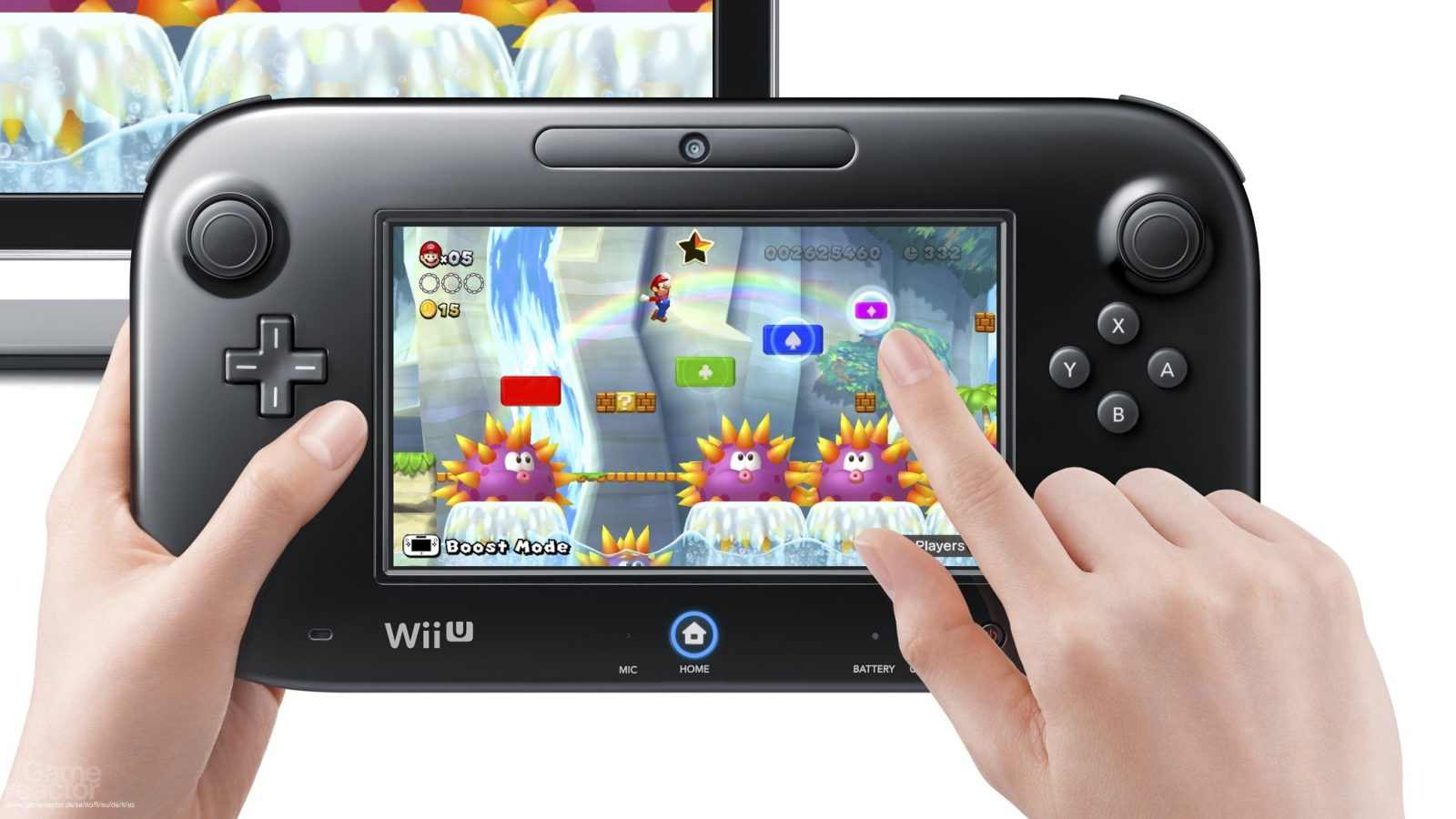
Der er få topledere blandt konsolproducenter, der er fremstået som ægte og ærlige, og som derfor har opbygget deres eget fanfællesskab. Nogle eksempler inkluderer tidligere Sega- og Xbox-chef Peter Moore, PlayStation-direktør Shuhei Yoshida, Nintendo-præsident Satoru Iwata og selvfølgelig Nintendo of America-chef Reggie Fils-Aimé.
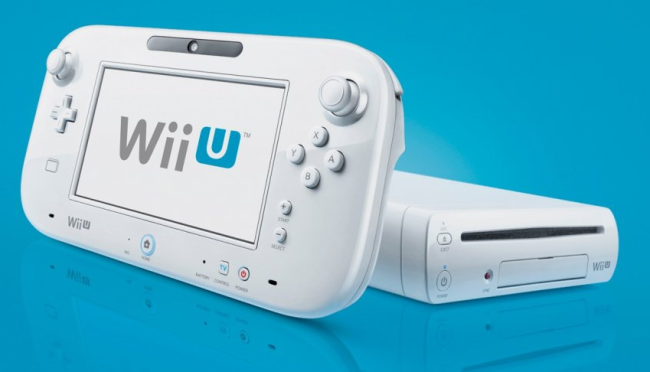
Sidstnævnte har altid været kendt som en ligefrem person, der fortæller tingene, som de er og ofte gør det på en interessant måde. Men alligevel hævede mange øjenbrynene over, hvad han sagde under en Q&A-begivenhed på NYU Game Center (transskriberet af IGN). Der gik han i detaljer, helt usentimentalt, om hvad der gik galt med Wii U, og benyttede endda lejligheden til at afsløre, at miniversionerne af NES og Super Nintendo blev udviklet for at generere indtægter, efter de indså, at Wii U var en fiasko.
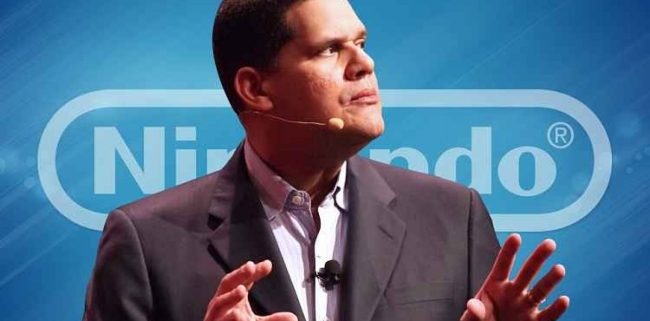
Reggie Fils-Aimé gik på pension som præsident for Nintendo of America i 2019.
Det er en lang historie, men hvis du er interesseret i spilindustrien og spilhistorien, er dette et must-read fra en af dem, der har den bedste indsigt i spilverdenen og Nintendo af alle. Fils-Aimé sagde:
"When we were developing the Wii U, we were convinced that the combination of what I call the '10-foot experience' — your TV 10 foot away, and a 10-inch experience having some sort of gameplay on the GamePad... was a big idea. We believed that it would create opportunities for different types of gameplay, where you could be playing what's happening on the big screen together, like in Mario Kart, or you could play a different type of game where one person is having a slightly different experience than everyone else.
We began creating content with that idea and the output was Nintendo Land. We thought it could be the equivalent of Wii Sports for that generation. And I played it, I didn't stand up and say, 'Boy, this software isn't working for me,' but you get that little itch in the back of your neck that says, 'Ehh... this isn't Wii Sports.'"
Selvom Nintendo Land ikke blev det næste Wii Sports, siger han, at Wii U faktisk solgte godt i starten. Den blev udgivet i 2012 og året efter lancerede Microsoft sin Xbox One, og Sony udgav PlayStation 4, som mange mente var betydeligt mere sexede og kraftfulde konsoller. Han fortsætter:
"We launch, we actually did well in our first year, but then as players were looking at the next generation of Sony and Microsoft [consoles], our sales really stalled. The other thing that happened was the pace of new products we had seen on paper did not materialize on the timetable that we needed. So the team was working on a new Smash Bros., Mario Kart, Splatoon — which has become a fantastic franchise for Nintendo - but the games didn't come out fast enough. And after the second year, it was clear that we were not going to have the success we needed to.
That's when the commercial executive starts really pushing an agenda on how we need to course correct."
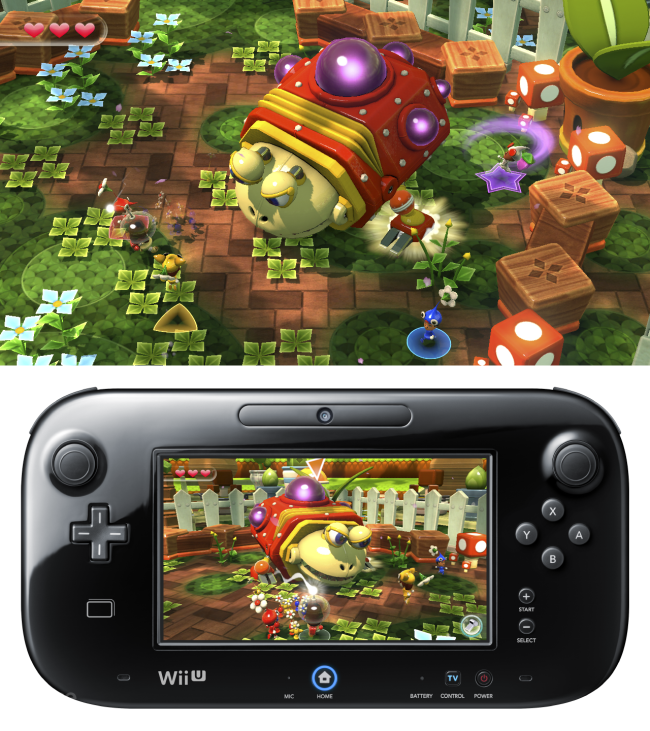
Nintendo Land var sjovt, men aldrig engang i nærheden af at være så populært som Wii Sports.
Nogle af problemerne var, at de havde to forskellige versioner af Wii U, hvilket detailhandlen ikke var vild med. Gamere var utilfredse med manglen på spil til konsollen. Med andre ord var der behov for handling:
"We had launched with two different SKUs [essentially, two versions of the same product], one had more memory than the other. The one with less memory was white, the other SKU was black. I killed the white SKU because the volume wasn't there to sustain it. In order to keep our retail partners, we needed to have a velocity that made sense. We [also] focused on some games that were coming digitally, and this was really the beginning of a deep relationship with independent developers that would find success on that platform, and then on Nintendo Switch. So we did a series of commercial efforts to try and sustain as much momentum as we had."
Løsningen for at sikre indtægter var at udgive mini-versioner af NES og Super Nintendo, som blev utroligt populære og startede en tendens, der fortsætter den dag i dag (selvom Nintendo selv ser ud til at have trukket sig - på trods af at fans håber på en Nintendo 64 Mini). Disse redskaber var med andre ord mere en midlertidig løsning end en velovervejet fanservice:
"In two successive years, we launched those micro legacy devices... the small NES and then following year, the small SNES. We did that to sustain our business, because we needed something to sell at volume, come the holiday season. So it was a series of commercial ideas, knowing full well that the Wii U was on life support."
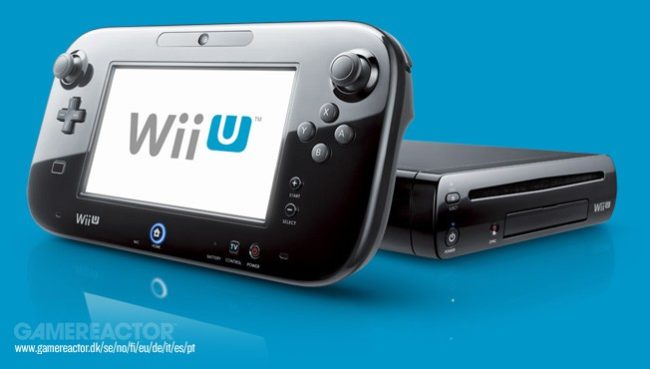
Wii U var med andre ord dømt til at fejle, og der var brug for en erstatning. Reggie Fils-Aimé fortæller, hvordan han blev kaldt til Japan, hvor den elskede Nintendo-præsident Satoru Iwata (som selv tidligere havde udviklet spil som Balloon Fight og Kirby's Dream Land) fortalte ham, at han igen var blevet diagnosticeret med kræft, hvilket tragisk førte til hans død i 2015. Fils-Aimé synes at have taget fejl af året - dette blev frit fortalt fra hukommelsen foran et publikum - da han fortsætter historien, hvilket viser, hvor sand professionel Iwata var helt til slutningen:
"Now jump to March 2016. I'm called to Japan for a meeting, and I argued with [former Nintendo president] Mr Iwata because I'd lined up activity for my birthday. He was adamant on the days that he wanted me in Kyoto, and I would have celebrated my birthday in Kyoto.
In the end there were two reasons for this meeting," Fils-Aimé revealed. "The first is, that's when he told me his cancer was back. At that point, we all believed he had beaten his cancer, but he wanted to tell me face-to-face that his cancer was back. And we talked about that for like an hour. And then he, like, flipped the switch. Now we need to talk about the future. And it was in that meeting that we did the launch planning for the Nintendo Switch. The software that would come out, the pricing, how we would launch it, how we would think about it. And we ended up launching the Switch the following March."
I sidste ende viste løsningen sig at være Switch, som byggede videre på de idéer, Nintendo havde til Wii U, og resten er selvfølgelig historie. Switch blev enormt populær, og i dag fortsætter Switch 2 med at vinde momentum i et hurtigt tempo.
"When you've got a business in trouble, you know. And when you know, you need to take decisive action in order to manage the situation, manage your key constituents, whether its retailers or consumers, and then find the solution that would deliver success downstream. And for Nintendo, that solution was the Switch, that leveraged the insight we had about a 10-foot experience and a 10-inch experience, but the execution was different."
Switch er en videreudvikling af Wii U, men dens skaber, Satoru Iwata, nåede aldrig at opleve dens succes.