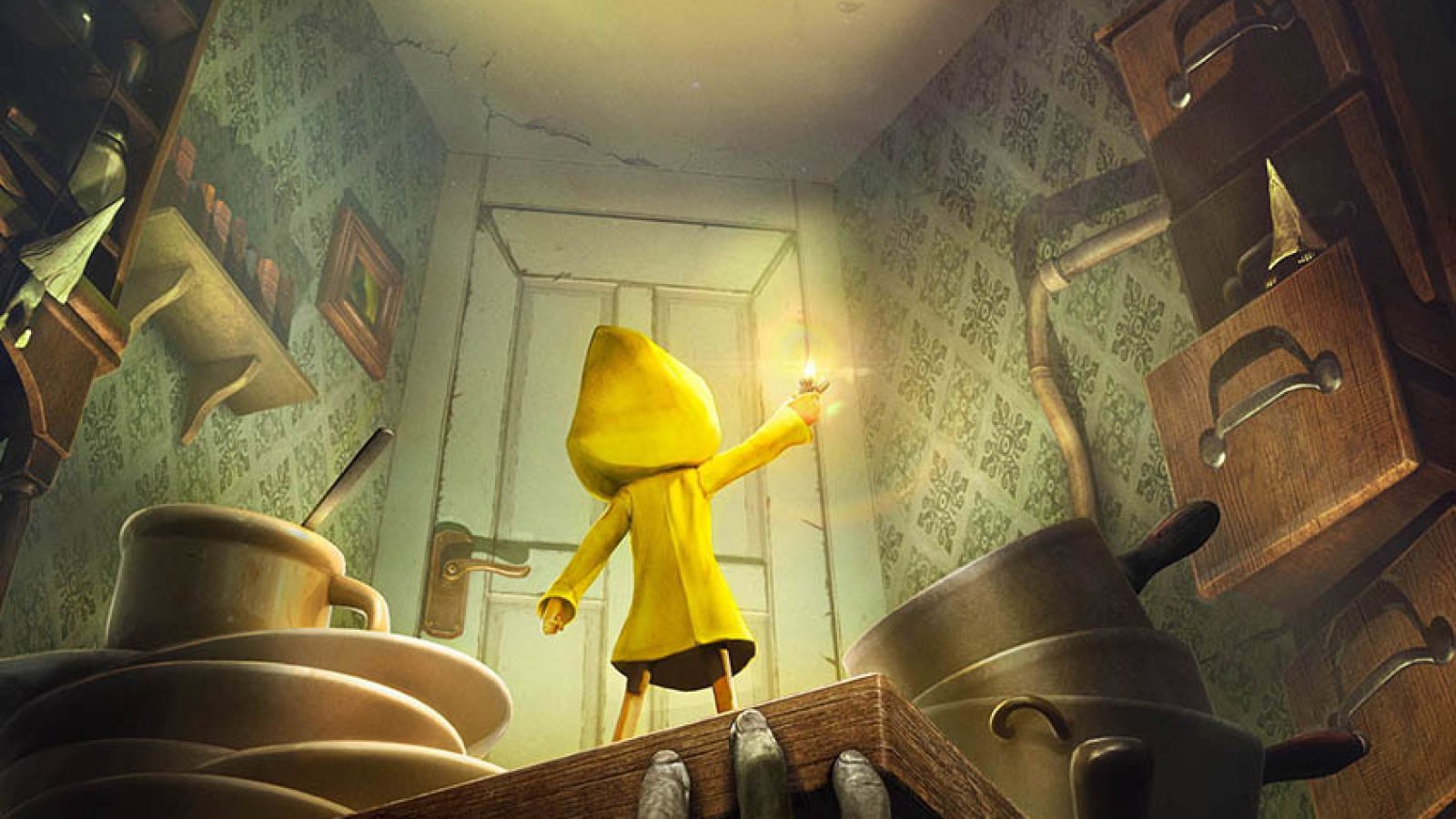
Den svenske udvikler Tarsier blev grundlagt i sin oprindelige form tilbage i 2004 og fik sit endelige gennembrud med hittet Little Nightmares i 2017. I 2019 blev de dog indirekte opkøbt af Embracer Group, og efter at have færdiggjort Little Nightmares II i 2021, udgivet af Bandai Namco, måtte de fortsætte uden den charmerende horror-serie, da den japanske udgiver ejede rettighederne.
Som resultat har Supermassive Games udviklet Little Nightmares III, mens Tarsier Studios er gået videre med deres kommende Reanimal, som udkommer næste år til PC, PlayStation 5, Switch 2 og Xbox Series S/X. Vi ville gerne vide mere om studiet, rejsen de har været på, hvad de tænker om Little Nightmares III og selvfølgelig det kommende Reanimal, så vi interviewede deres eminente Narrative Director, Dave Mervick.
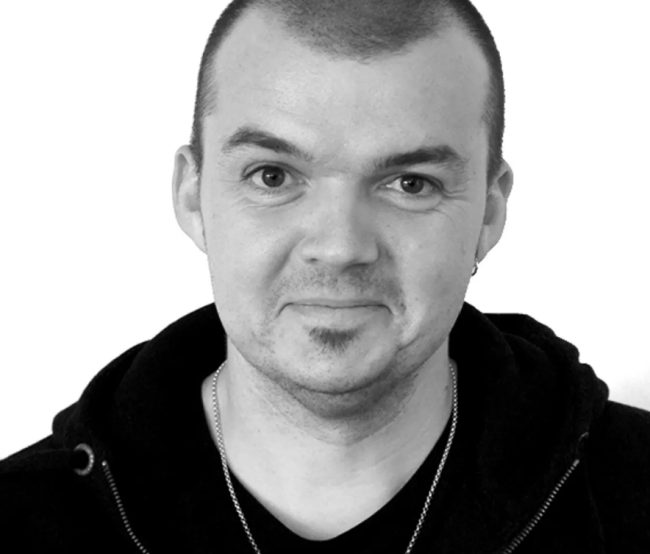
Tarsiers Narrative Director Dave Mervick.
I er tydeligvis et fremragende team, men I er ikke de eneste, der står bag svenske succeser. Hvorfor er svenske spiludviklere så talentfulde?
Mervick: Well, if you know anything about Swedish people you know that question will send them running for the hills! A lot of it is down to the level of support offered to developers here, where they can take a chance on something they're passionate about. That's how Tarsier started, a bunch of students in an incubator in Karlshamn working on an idea that inspired them, and now look at what they have achieved. Sweden can of course still do more on that front, to continue to make games and other artforms more inclusive, so that it feels like a realistic option for more than the privileged few. That is a surefire way to see the growth and evolution of talent in Sweden.
I har vokset jer stille og roligt og er nu et relativt stort studie. Hvordan holder I fast i en fælles vision, når teamet vokser i størrelse og projekterne bliver mere komplekse?
Mervick: We've not really become that much larger to be honest. During the LittleBigPlanet PS Vita days, we were probably at our largest in terms of permanent members of staff, and that was perhaps around 80 or so. Nowadays we are about 60 people and it's a nice manageable number in terms of keeping communication as open and clear as possible. As with our games themselves, we prefer to focus on quality over quantity, with a small group of high-functioning, multi-talented craftspeople pushing their abilities to the limit to make something worthwhile.
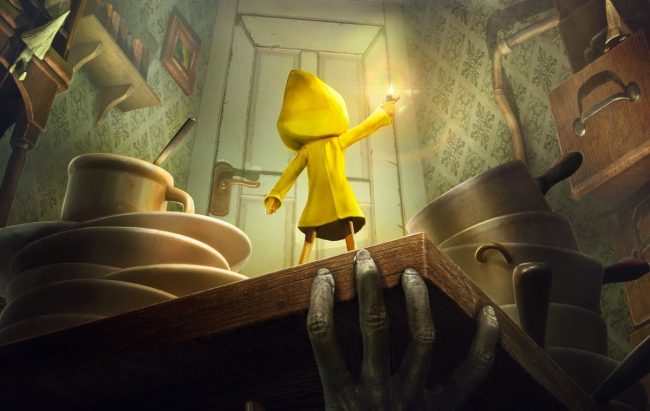
Little Nightmares var en herligt uhyggelig puzzle-platformer, der med det samme blev en kæmpe succes.
Hvilken del af jeres kreative proces ville overraske flest spillere, hvis de fik lov at kigge med bag kulisserne?
Mervick: Hmm, that's a tough one, because it's hard to know how people perceive the studio from the outside. Perhaps the most surprising thing would be how chaotic the whole process is! Since the end product always has such a strong sense of itself, you'd think we had some kind of masterplan, but the truth is a lot more stressful and unpredictable. We start off with a bunch of ideas floating around that we like but have no idea how they fit together. Then those ideas keep getting moved around for the next few years until we're not allowed to touch them anymore. Then we secretly touch them anyway because they just need to feel better before people get to play it, which means we get told off by our producers. Then, when we have absolutely no room left to make changes, we start to get nervous that people are about to play the game without us around to tell them how we really wanted to make this bit better or cut that bit. It sounds awful, and it really is at times, but we will keep doing it this way as long as the end result is worthwhile.
Hvad er hemmeligheden bag jeres fede achievement/trophy-lister? Listen i Little Nightmares II er fantastisk.
Mervick: There's no real secret other than we love coming up with them! We approach them as excitable gamers rather than jaded developers, and think what we would appreciate. Paying attention to these kind of details contributes to how people see the whole package, and so in that respect they are as important as what we put in the game's main story. Personally I love working with people to come up with fun titles for the trophies, it's the same as working on the song names for the first two Little Nightmares games. Once you hit on that perfect title, it's such a thrill for the word nerds amongst us!
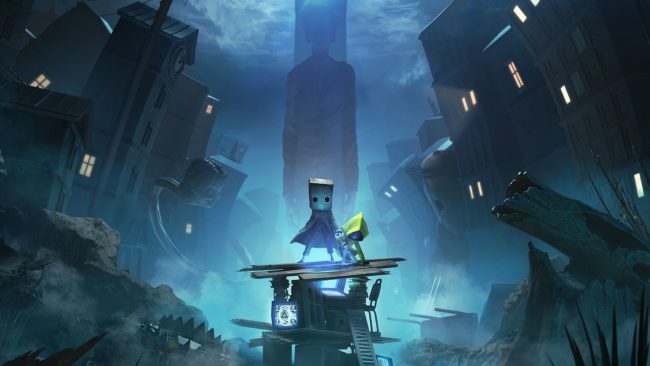
Little Nightmares II blev også en rigtig stor succes, da det udkom i 2021.
Kan du fortælle os om en større fiasko, der endte med at blive til noget godt - noget I lærte af, som har ændret måden I arbejder på i dag?
Mervick: Probably the first iteration of Reanimal, because it just didn't work, it was a game and it had a story but it was neither the game we wanted to make, nor the story we wanted to tell. It forced us to take a step back, really evaluate what it was that motivated us and what kind of game we wanted to spend the next years of our life making, and then commit to that. It helped clarify a lot of stuff that had been floating out in the ether for a long time, we at last had to put words on it, and it led to the creation of the game that you see today.
Det seneste spil, I udgav, var Little Nightmares II, og det er nu fire år siden, mens Reanimal først udkommer næste år. Hvordan føltes det at starte på en helt ny spilserie?
Mervick: It's always nice to start on something new after shipping a game; just to be able to think about fresh ideas and new worlds, it puts a bit of wind in your sails. Of course, the first years of Reanimal took place in the midst of a maelstrom, which threw many challenges our way. The way the world is now, it's easy to look back at the global pandemic and feel almost wistful for the days of face-masks, alco-gel, and lockdowns, but it was nightmarish and it felt like the first time in a long time that the future felt uncertain. It's very likely that those feelings seeped into what Reanimal became, where the mundanity of everyday life is suddenly blown up by forces outside of your control. These children, thrust into the centre of it all, and their innocence (or perhaps, naiveté) being faced with a world that hates them. It's a horror more grounded in reality than anything we've created before.
Tarser er bedst kendt for singleplayer-oplevelser, men har I lært noget fra det mere komiske The Stretchers, som I har kunnet tage med videre til Reanimal - og kan du dele noget fra udviklingen?
Mervick: Surprisingly, that's the first time we've ever been asked that question, which is strange because there are similarities there, even though they are poles apart tonally. I'd say that for sure we learned a lot about fun co-op interactions during development of The Stretchers, how communication is key, how simple things often become more difficult in co-op, and the energy that is created from going through stressful situations together. So, yes, there are definitely lines to be drawn between the two. Faint and squiggly, but lines all the same!
Hvad er jeres syn på debatten om AI i spiludvikling, og hvor står Tarsier i forhold til dette værktøj?
Mervick: There isn't a studio consensus on AI. Personally, I hate it but that is because I have not seen enough of its positive use as an artistic tool, and because I have seen The Terminator too many times, but as with any technology, it depends on how it is used. The internet can be a glorious thing and an utter sewer, social media can connect people and isolate them, so it remains to be seen how AI will evolve. It could become a creatively bereft human centipede, or it could be a tool that democratises the artworld and unlocks the creativity inside people. I can only hope for the latter.
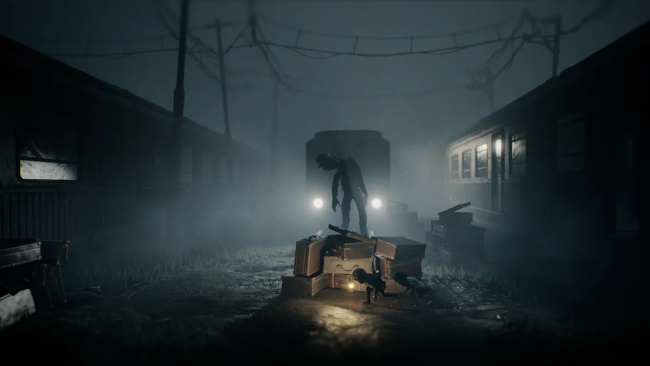
Reanimal står til at udkomme den 13. februar næste år.
Har du haft mulighed for at spille Little Nightmares III endnu, og hvad synes du om det?
Mervick: Not yet, but I managed to play their demo at Gamescom these past two years and it felt like they had a clear idea of what they wanted to do with it, which is always a huge part of the battle! We still find it staggering that this little game we came up with all those years ago has turned into a globally successful IP. Talk about giving ourselves a hill to climb for Reanimal!
Hvad håber I, at spillerne vil føle, når de spiller Reanimal - og hvad er I mest stolte af i forhold til dette kommende eventyr?
Mervick: We hope people feel that we've put everything we have into this game. So many people have worked long and hard to make Reanimal as good as it can possibly be, and while we recognise their contribution, they perhaps don't get the plaudits they so richly deserve outside the studio. I'd say having these kind of people is what we're most proud of, the kind of craftspeople with the talent and commitment to elevate a relatively simple story to something that will linger under your skin for a long time to come.